





















The North Klondike Highway (Yukon Highway 2) runs about 524 km (326 mi) from the Alaska Highway just north of Whitehorse to Dawson City. It follows the Yukon River valley north past Lake Laberge, Carmacks, Five Finger Rapids, Pelly Crossing and Stewart Crossing, then crosses the Tintina Trench and follows the Klondike River into Dawson. It is paved the whole way and open all year.
The road links the Yukon’s capital with the heart of the Klondike Gold Rush, and it is the way in to the Dempster Highway, the Silver Trail and the Top of the World Highway. Services are spaced far apart, cell coverage is limited, and some stretches have no fuel for about 180 km. Below are planning tips, a kilometre-by-kilometre road log, campgrounds, history and FAQs.
| Length | About 524 km (326 mi) from the Alaska Highway junction to Dawson City, or about 535 km (332 mi) from downtown Whitehorse |
|---|---|
| Start | Junction with the Alaska Highway at about Alaska Highway km 1437, about 14 km north of downtown Whitehorse |
| End | Front Street, Dawson City, at about km 716 |
| Kilometre posts | Count from Skagway, Alaska. The Alaska Highway junction is at km 192. |
| Highway number | Yukon Highway 2 |
| Surface | Paved all the way. Asphalt for the first 32 km and through Carmacks and Dawson City; chipseal (BST) for most of the rest. |
| Season | Open and maintained all year |
| Fuel | Carmacks (km 357) · Pelly Crossing (km 463) · Stewart Crossing (km 535) · Dempster Corner cardlock (km 674, cards only) · Dawson City |
| Longest gaps without fuel | About 180 km from Whitehorse to Carmacks, and about 180 km from Stewart Crossing to Dawson City if you can’t use the cardlock |
| Driving time | About 6 hours without stops. Most people take a full day. |
| Connecting roads | Robert Campbell Highway (km 360) · Silver Trail (km 535) · Dempster Highway (km 674) · Top of the World Highway (by ferry from Dawson City) |
| Road conditions | 511 Yukon (official, live) |
Kilometres are approximate and follow Government of Yukon kilometre posts. Last updated: October 2026.
From downtown Whitehorse, take Two Mile Hill up to the Alaska Highway and drive north about 12 km to the junction. From there it is about 524 km to Dawson City, or about 6 hours without stops. With fuel, meals and Five Finger Rapids, most people spend a full day, or camp a night on the way.
Fill up in Whitehorse. Braeburn Lodge, the old halfway stop between Whitehorse and Carmacks, closed indefinitely in May 2026, so the first fuel is now in Carmacks, about 180 km from downtown Whitehorse. Small-town stations may close in the evening, so don’t count on fuel late at night. The Dempster Corner station is an unstaffed cardlock that takes cards only, so most travellers should treat Stewart Crossing to Dawson City as a single 180 km stretch.
| Fuel stop | Km | Distance from previous fuel |
|---|---|---|
| Whitehorse | Before km 192 | Start |
| Carmacks | 357 | About 180 km from downtown Whitehorse |
| Pelly Crossing | 463 | About 106 km |
| Stewart Crossing | 535 | About 72 km |
| Dempster Corner (cardlock, cards only) | 674 | About 140 km |
| Dawson City | 716 | About 41 km from Dempster Corner, or about 180 km from Stewart Crossing |
The whole highway is paved. The first 32 km north of the Alaska Highway and the sections through Carmacks and into Dawson City are asphalt. The rest is chipseal (bituminous surface treatment, or BST), which is gravel sealed with oil. Chipseal can throw stones, so slow down when you meet other vehicles. Permafrost and frost heaves cause dips and bumps, and summer construction can mean stretches of gravel, pilot cars and short waits. Check 511 Yukon before you leave and again on the way. It shows closures, construction and highway cameras.
June to August is the main travel season, with long days, warm weather and every service open. Yukon government campgrounds along the highway are usually serviced from early or mid-May to the end of September. In 2026 most opened on May 8 and closed for the season on October 1. Late August and September bring fall colours, fewer people and the first northern lights, which can be seen from about mid-August to mid-April. In some summers, wildfires can close the road, so check 511 Yukon.
The highway is plowed and open all winter, but days are short, temperatures can fall below −40°C, and services are even more spread out. Use winter-rated tires, keep your tank close to full, and carry warm clothing, a sleeping bag, food, water and a shovel. Avoid cruise control on snow and ice, and leave 8 to 10 seconds behind the vehicle ahead. Check 511 Yukon before each leg. Winter camping in Yukon government campgrounds is free, but you still need to register.
Every Yukon community along the highway has cell service, but there is no coverage on most of the highway between them. Expect long stretches with no signal. Tell someone your plans and consider a satellite communicator. In an emergency outside cell range, call 867-668-9911 from a satellite phone.
Kilometres follow the Government of Yukon kilometre posts, which count from Skagway, Alaska. That’s why the North Klondike Highway starts at km 192 and not at km 0.
| Campground | Km | Sites | Notes |
|---|---|---|---|
| Lake Laberge | 224, then 3 km | 16 | Boat launch; not reservable |
| Fox Lake | 248 | 43 | 9 pull-through; some sites reservable |
| Twin Lakes | 308 | 31 | 9 pull-through; busy on weekends |
| Tatchun Creek | 382 | 12 | 4 pull-through; near Five Finger Rapids |
| Tatchun Lake | 382, then 9 km | 20 | Narrow gravel road; no pull-throughs |
| Ethel Lake | 524, then 24 km | 14 | Rough road; no pull-throughs |
| Moose Creek | 559 | 36 | 4 pull-through; trail to the Stewart River |
| Klondike River | 697 | 35 | 2 pull-through; 20 km from Dawson City |
| Yukon River | Across the river from Dawson City | 102 | The Yukon’s largest government campground; reached by the George Black ferry |
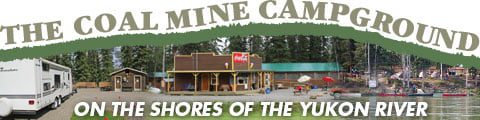
Fees apply from May 1 to September 30. You can pay cash at the campground or buy a camping permit online or from a vendor. Camping outside that period is free, but you still need to register. There are private campgrounds and RV parks in Carmacks and Dawson City, including Coal Mine Campground.
The Yukon River valley was a travel and trade route for First Nations people long before the gold rush. In August 1896, Shaaw Tláa (Kate Carmack), Keish (Skookum Jim Mason), Káa Goox (Dawson Charlie) and George Carmack found gold on Bonanza Creek, near the mouth of the Klondike River. The stampede that followed brought tens of thousands of people north, and Dawson City grew almost overnight.
In summer, people and freight moved on the river. After the White Pass and Yukon Route railway reached Whitehorse in 1900, sternwheelers carried passengers and goods about 740 km downriver from Whitehorse to Dawson City, running Five Finger Rapids on the way. In winter, when the river was frozen, travel moved to the Overland Trail. In 1902 the territorial government had a winter road built between Whitehorse and Dawson City. Horse-drawn stages carried mail and passengers in five to seven days, stopping at roadhouses spaced about 30 to 40 km apart, such as the one at Montague.
The modern highway came in stages. An all-weather road from Whitehorse to Mayo opened in 1950, mainly to truck silver ore from the Keno Hill mines. A road from Stewart Crossing to Dawson City followed in the 1950s. Trucks could now move freight all year, and sternwheeler service ended. The S.S. Klondike, now a national historic site in Whitehorse, made its last trip in 1955. In 1978 the Stewart Crossing to Dawson City road became part of Highway 2, and the whole route from Skagway to Dawson City was named the Klondike Highway. The Mayo road became the Silver Trail.
About 535 km (332 miles) from downtown Whitehorse, or about 524 km (326 miles) from the Alaska Highway junction where the North Klondike Highway begins. The drive takes about 6 hours without stops. Most people take a full day.
In Carmacks (km 357), Pelly Crossing (km 463) and Stewart Crossing (km 535). There is also an unstaffed cardlock that takes cards only at Dempster Corner (km 674). Braeburn Lodge closed indefinitely in May 2026, so the first fuel north of Whitehorse is in Carmacks, about 180 km away.
Yes. The whole highway is paved. Most of it is chipseal (BST), with asphalt near Whitehorse, through Carmacks and into Dawson City. Expect frost heaves, potholes and short gravel sections in construction zones.
June to August, when days are long and all services and campgrounds are open. Late August and September bring fall colours and fewer people. Yukon government campgrounds are usually serviced from May to the end of September.
Yukon government campgrounds include Lake Laberge (km 224), Fox Lake (km 248), Twin Lakes (km 308), Tatchun Creek (km 382), Moose Creek (km 559) and Klondike River (km 697). Tatchun Lake and Ethel Lake are on side roads. The Yukon River Campground is across the river from Dawson City.
Yes. The Five Finger Rapids Recreation Site at km 380, about 23 km north of Carmacks, has a viewing platform beside the highway. A long staircase and trail, about 1.4 km return, lead down to a viewpoint near the river.
Yes. It is plowed and open all year. Use winter-rated tires, carry warm clothing and emergency gear, keep your tank close to full, and check 511 Yukon before you leave. Days are short and temperatures can fall below −40°C.
Only in the communities. There is no coverage on most of the highway between them, so expect long stretches with no signal. Consider carrying a satellite communicator.
At Dempster Corner, km 674.7 of the North Klondike Highway, about 41 km east of Dawson City. Fill up in Dawson City before you head north, because the Dempster Corner cardlock takes cards only.
Use 511 Yukon (511yukon.ca), the Government of Yukon’s official source for road conditions, closures, construction and highway cameras. You can sign up there for email or text alerts.